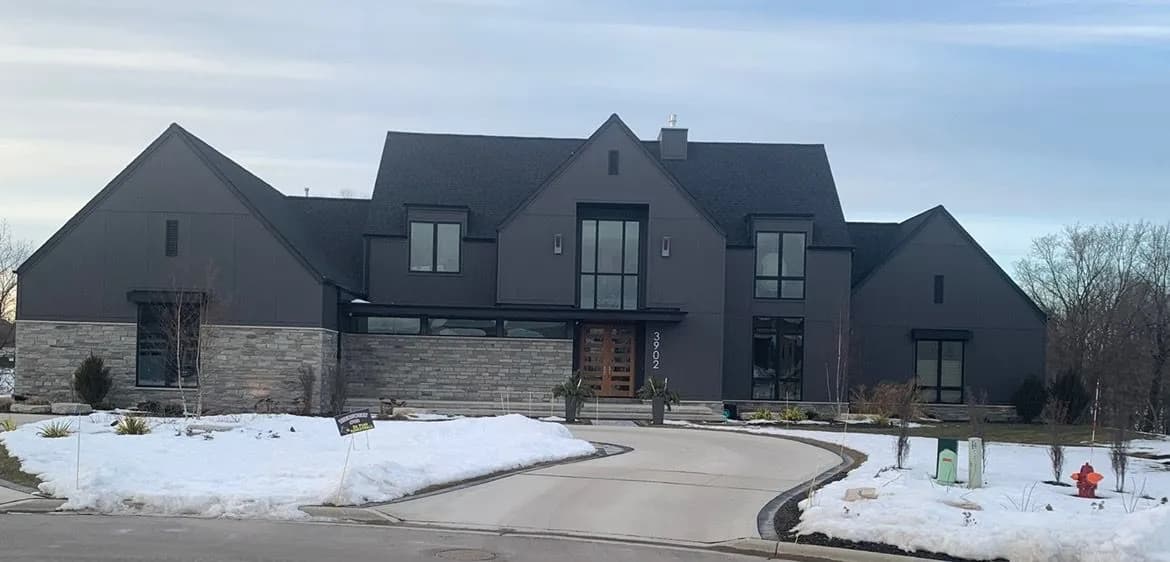
Energy Efficient Roofing
An energy-efficient roof can significantly reduce your heating and cooling costs while keeping your home more comfortable year-round. Pierce Roofing installs energy-efficient roofing materials and systems designed for Wisconsin’s climate.
What We Offer
Pierce Roofing brings 30+ years of hands-on experience to every energy efficient roofing project in Northeast Wisconsin.
Cool Roof Technology
Reflective roofing materials reduce heat absorption, keeping your attic and living spaces cooler in summer.
Proper Ventilation Systems
Correct attic ventilation prevents heat buildup in summer and moisture damage in winter, extending your roof’s life.
Insulation Upgrades
We can improve your attic insulation during a roof replacement, reducing energy loss through your roof.
Metal Roofing Options
Metal roofs with reflective coatings are among the most energy-efficient roofing options available.
Energy Efficient Roofing in Green Bay, WI
Your roof is the single largest surface separating your conditioned living space from the outside elements, and it has a direct, measurable impact on your energy bills. Energy efficient roofing combines the right materials, proper ventilation, and adequate insulation to reduce heat gain in summer and heat loss in winter — cutting your HVAC costs year-round. In Northeast Wisconsin, where winter temperatures regularly drop below 0°F and summer heat can push past 90°F, the energy performance of your roof matters more than it does in milder climates. Pierce Roofing has 30+ years of experience installing energy-efficient roofing systems designed specifically for Wisconsin’s demanding climate. As an Atlas PRO+ Platinum Select Contractor, we help homeowners across Brown, Outagamie, Winnebago, Kewaunee, Oconto, and Manitowoc counties choose roofing solutions that lower utility costs while providing lasting protection. Call (920) 609-8304 for a free energy-efficient roofing consultation.
How Your Roof Affects Your Energy Bills
Most homeowners think of their roof primarily as weather protection, but it plays an equally important role in energy management. Here is how your roof influences your heating and cooling costs:
Summer Heat Gain
On a sunny summer day, a dark-colored conventional asphalt roof can reach surface temperatures of 150–170°F. That heat radiates through the roof deck and into the attic, raising attic temperatures to 140°F or more. This superheated attic acts like an oven above your living space, forcing your air conditioning to work harder and run longer. Energy-efficient roofing materials with higher solar reflectance bounce more sunlight away from the roof surface, significantly reducing heat transfer into the attic.
Winter Heat Loss
In Wisconsin’s long winters, heat escaping through the roof is a major energy drain. Warm air rises naturally, and if your attic lacks adequate insulation and proper air sealing, that heated air passes through the ceiling, into the attic, and out through the roof. The result is higher heating bills and uneven room temperatures, with upper floors feeling warm while lower levels stay cold. Additionally, heat escaping through the roof melts snow unevenly, contributing to ice dam formation.
The Ventilation Connection
Attic ventilation is the often-overlooked link between your roof and your energy bills. Proper roof ventilation uses a balanced system of intake vents (typically at the soffits) and exhaust vents (at the ridge or near the peak) to create natural airflow that removes excess heat in summer and moisture in winter. Without adequate ventilation, even the most energy-efficient roofing material cannot perform to its potential because trapped heat and moisture undermine the entire system.
Energy Efficient Roofing Materials
Pierce Roofing installs a full range of energy efficient roofing materials, each with specific advantages for Wisconsin’s climate. The best choice for your home depends on your budget, aesthetic preferences, and energy goals.
Cool Roof Asphalt Shingles
Modern cool roof shingles use specially engineered granules that reflect more solar energy than traditional shingles, even in darker colors. Atlas asphalt shingles with cool roof technology can reduce roof surface temperature by up to 20°F compared to conventional shingles of the same color. This translates to a measurably cooler attic and lower air conditioning costs in summer. Pierce Roofing installs Atlas Pinnacle Pristine and StormMaster shingles that combine cool roof performance with Class 4 impact resistance and algae protection — addressing energy efficiency, durability, and aesthetics in a single product.
Metal Roofing with Reflective Coatings
Metal roofing is inherently more energy efficient than most other materials because metal reflects solar radiation rather than absorbing it. When finished with a reflective coating, a metal roof can reflect up to 70% of solar energy. Standing seam metal roofs are particularly efficient because their raised seam profile creates an air gap between the metal and the roof deck, adding an extra layer of thermal separation. Metal roofs also shed snow quickly in winter, reducing the insulating blanket of snow that can trap moisture and contribute to ice dam formation.
Radiant Barriers
A radiant barrier is a reflective material — typically aluminum foil laminated to a backing — installed on the underside of the roof deck or draped across the attic rafters. It reflects radiant heat back upward before it can enter the attic space. Radiant barriers are especially effective in summer, reducing attic temperatures by 20–30°F. Pierce Roofing can install a radiant barrier during a roof replacement for maximum energy impact with minimal additional cost.
Light-Colored Roofing
Color alone makes a significant difference. Lighter-colored roofing materials reflect more solar radiation than darker ones. If your home’s style allows for a lighter roof color, choosing a light gray, tan, or white roof can noticeably reduce summer cooling costs. This applies to all material types — asphalt, metal, tile, and flat roofing membranes.
Attic Ventilation and Insulation
The most energy-efficient roof in the world cannot compensate for poor attic ventilation or inadequate insulation. These three components — roofing material, ventilation, and insulation — work as a system, and all three must perform well for maximum energy savings.
Proper Ventilation Design
Roof ventilation requires a balanced intake-to-exhaust ratio. The International Residential Code recommends 1 square foot of net free ventilation area for every 150 square feet of attic floor space (or 1:300 with a vapor barrier). Pierce Roofing evaluates your existing ventilation during every free roof inspection and can upgrade your system during a roof replacement. Common ventilation components include continuous ridge vents, soffit intake vents, gable vents, and powered attic fans — each with specific applications depending on your roof’s geometry.
Insulation Upgrades During Roof Replacement
A roof replacement is the ideal time to address attic insulation because the roof deck is fully accessible. Wisconsin’s energy code recommends R-49 to R-60 attic insulation — the equivalent of 16–20 inches of fiberglass batts. Many older Green Bay homes have far less. Adding insulation during a roof project is cost-effective because the labor overlap reduces the total price compared to a standalone insulation project. Pierce Roofing coordinates insulation upgrades as part of our roof replacement process.
Air Sealing
Before adding insulation, sealing air leaks between the living space and the attic is essential. Gaps around plumbing vents, electrical penetrations, recessed lights, and attic access hatches allow conditioned air to escape into the attic. Sealing these gaps before insulating delivers the biggest return on investment of any energy improvement. Pierce Roofing identifies air sealing opportunities during inspections and can coordinate sealing work with your roof project.
Energy Savings Potential in Wisconsin
The energy savings from an efficient roofing system are meaningful for Wisconsin homeowners who face both high heating and cooling demands:
- Cool roof shingles can reduce summer cooling costs by 7–15% compared to conventional shingles, depending on home size, insulation levels, and HVAC efficiency
- Metal roofing with reflective coatings can reduce summer cooling costs by 10–25%, with additional savings from reduced ice dam risk in winter
- Proper ventilation alone can lower attic temperatures by 20–40°F in summer, reducing the load on your air conditioning and extending shingle life by reducing heat-related aging
- Insulation upgrades to R-49 from a typical older-home level of R-19 can reduce heating costs by 15–20% — a substantial savings during Wisconsin’s 5-month heating season
- Combined improvements — new energy-efficient roofing material plus proper ventilation plus adequate insulation — can reduce total annual energy costs by 15–30% for many homes
Wisconsin Climate Considerations
Energy-efficient roofing decisions in Green Bay must account for Wisconsin’s unique climate challenges. Unlike homes in the Sun Belt that focus almost exclusively on cooling, Wisconsin homes need a roofing system that performs in both extremes — from -20°F polar vortex events to 90°F+ summer heat waves. This means choosing materials that reflect summer heat without compromising winter thermal performance. It also means prioritizing ventilation balance to prevent ice dams in winter while exhausting heat in summer. Pierce Roofing understands these dual demands from three decades of working exclusively in Northeast Wisconsin. We recommend roofing systems that deliver year-round energy performance rather than optimizing for just one season. Whether you’re considering premium asphalt shingles, metal roofing, or a complete roofing system upgrade with ventilation and insulation, Pierce Roofing designs solutions for Wisconsin’s full 12-month climate cycle.
More Residential Roofing Services
Explore our full range of residential roofing services.
Other Services We Offer
Explore our full range of roofing and exterior services.
Roofing Types
Asphalt Shingle Roofing, Flat Roofing, Slate & Tile Roofing, Metal Roofing, Atlas Roofing
Learn moreCommercial Roofing
Commercial Roof Replacement, Roof Maintenance Programs, Commercial Metal Roofing, Commercial Roof Coating
Learn moreStorm Damage
Hail Damage Roof Repair, Wind Damage Roof Repair, Roof Damage from Trees
Learn moreEnergy Efficient Roofing FAQ
Save on Energy Costs
Ask Pierce Roofing about energy-efficient roofing options that can lower your utility bills. Free estimates.

Learn more about financing options for your roofing project. Pre-qualify without affecting your credit score.