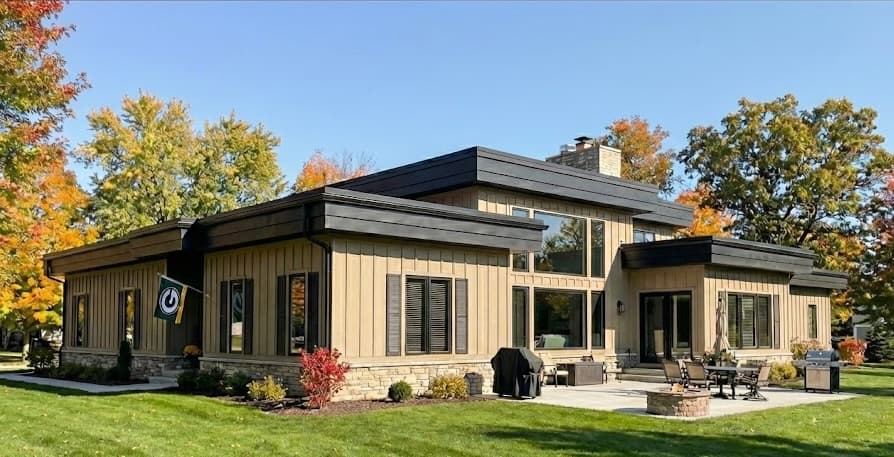
Flat roofing installation by Pierce Roofing

Flat Roofing

Flat roofing systems are ideal for modern homes, additions, and commercial buildings. Pierce Roofing installs and repairs flat roofing using premium TPO, EPDM, and modified bitumen systems designed for Wisconsin’s demanding climate.

What We Offer

Pierce Roofing brings 30+ years of hands-on experience to every flat roofing project in Northeast Wisconsin.

TPO Membrane Systems

Thermoplastic polyolefin membranes provide excellent UV resistance, energy efficiency, and long-term waterproofing.

EPDM Rubber Roofing

Synthetic rubber membranes known for their durability, flexibility, and resistance to extreme temperature changes.

Modified Bitumen

Multi-layer asphalt systems with enhanced flexibility and strength, ideal for low-slope applications.

Proper Drainage Design

We engineer proper slope and drainage to prevent water ponding, the leading cause of flat roof failure.

Flat Roofing Systems — Choosing the Right One

Selecting the right flat roofing system is one of the most consequential decisions a building owner can make. Unlike sloped roofs that shed water by gravity, flat and low-slope roofs rely entirely on the membrane’s waterproofing integrity and the drainage system beneath it. That makes material selection, seam quality, and proper installation absolutely critical — especially in Northeast Wisconsin, where flat roof materials must handle heavy snow accumulation, standing water from spring melts, and extreme temperature swings from -20°F winters to 90°F summers. The three dominant flat roofing systems today are TPO (thermoplastic polyolefin), EPDM (ethylene propylene diene monomer), and modified bitumen. Each system has distinct strengths, and the best choice depends on your building type, budget, energy goals, and long-term plans. This guide covers all three so you can make an informed decision.

TPO Membrane Roofing

TPO membrane roofing has become the fastest-growing flat roofing material in the commercial and residential market. TPO is a single-ply thermoplastic membrane that is heat-welded at the seams, creating a continuous, watertight bond that is actually stronger than the membrane itself. This is a significant advantage over adhesive- or tape-sealed systems. TPO’s white reflective surface earns strong energy efficiency ratings by reducing heat absorption, which lowers cooling costs during Wisconsin’s warm summers. It also resists UV degradation, punctures, and chemical exposure from rooftop HVAC equipment. Most TPO systems come in 45-mil, 60-mil, or 80-mil thicknesses, with thicker membranes offering greater durability and longer warranties — typically 15 to 30 years. Pierce Roofing installs TPO on commercial buildings, modern flat-roof homes, and residential additions throughout our six-county service area.

EPDM Rubber Roofing

EPDM rubber roofing is the established workhorse of the flat roofing industry. EPDM is a synthetic rubber membrane that has been in use since the 1960s, giving it the longest track record of any single-ply flat roofing material. It is exceptionally flexible, which is a major advantage in Wisconsin’s climate — EPDM remains pliable at temperatures well below zero, while some other materials can become brittle. EPDM is available in black or white and comes in large sheets that minimize the number of seams on a roof. Seams are typically bonded with adhesive or seam tape rather than heat welding. When properly installed, EPDM roofs routinely last 25 to 30 years, and some have exceeded 40 years of service. It is also one of the most affordable flat roofing options, making it popular for warehouses, retail buildings, and budget-conscious projects.

Modified Bitumen Roofing

Modified bitumen roofing is a multi-layer asphalt system that builds on the proven technology of traditional built-up roofing (BUR) with modern polymer modifications. The asphalt is blended with either SBS (styrene-butadiene-styrene) or APP (atactic polypropylene) modifiers that improve flexibility, temperature resistance, and tensile strength. Modified bitumen is installed in overlapping sheets, creating a redundant, multi-layer barrier against water. This layered approach gives it excellent puncture resistance, which is valuable on roofs with foot traffic from maintenance crews. The material performs well in cold climates — SBS-modified bitumen, in particular, remains flexible in freezing temperatures and handles the expansion and contraction cycles that Wisconsin roofs endure every year. Lifespans range from 15 to 25 years depending on the number of layers and maintenance.

TPO vs EPDM vs Modified Bitumen — Comparison

Choosing between TPO vs EPDM and modified bitumen comes down to weighing several factors against your priorities:
  • Seam strength: TPO’s heat-welded seams are the strongest, creating a monolithic barrier. EPDM uses adhesive/tape seams that are effective but more vulnerable to installer error. Modified bitumen’s overlapping layers provide built-in redundancy.
  • Cold-weather performance: EPDM leads here — its rubber composition stays flexible at extreme cold. SBS-modified bitumen also performs well. TPO is adequate in cold weather but slightly less flexible than EPDM at sub-zero temperatures.
  • Energy efficiency: White TPO membranes reflect the most solar energy, potentially reducing cooling costs. White EPDM is available but less common. Modified bitumen with granulated cap sheets offers moderate reflectivity.
  • Durability and puncture resistance: Modified bitumen’s multi-layer construction offers the best puncture resistance. TPO and EPDM in thicker gauges are also durable but are single-ply systems.
  • Cost: EPDM is generally the least expensive, followed by modified bitumen, then TPO. However, TPO’s energy savings and lower maintenance needs can offset the higher initial investment over time.
  • Lifespan: EPDM: 25–30+ years. TPO: 15–30 years. Modified bitumen: 15–25 years.
For commercial buildings in the Green Bay area, Pierce Roofing typically recommends TPO for new construction where energy efficiency is a priority, EPDM for buildings that need proven long-term performance at a lower cost, and modified bitumen for roofs with heavy foot traffic or equipment.

Which Flat Roofing System Is Best for Your Building?

The best flat roofing system for your property depends on your building’s specific needs. A Green Bay warehouse with rooftop HVAC units faces different demands than a modern flat-roof home addition. Wisconsin’s heavy snowfall demands proper drainage engineering regardless of which membrane you choose — ponding water is the leading cause of premature flat roof failure, and our region’s spring melt season puts every flat roof to the test. Pierce Roofing evaluates each project individually: we inspect the existing deck structure, assess drainage capacity, consider your insulation and ventilation needs, and recommend the flat roofing system that delivers the best performance and value for your situation. Call (920) 609-8304 for a free consultation or request a free estimate.

More Roofing Types Services

Explore our full range of roofing types services.

Flat Roofing FAQ

Need Flat Roofing?

Contact Pierce Roofing for expert flat roof installation, repair, or replacement. Free estimates available.

Pierce Roofing financing options powered by Hearth

Learn more about financing options for your roofing project. Pre-qualify without affecting your credit score.

(920) 609-8304Free Estimate