How Do You Know When It's Time for a New Roof?
Your roof is one of the most important parts of your home. It protects your family from Wisconsin's harsh weather, including heavy snow, ice dams, high winds, and severe storms. But even the best roofs don't last forever.
Here are five signs that it may be time to consider a roof replacement for your Green Bay home. One sign alone does not always mean a new roof. Several signs together, on a roof that is 20 years old or more, usually do.
1. Missing or Damaged Shingles
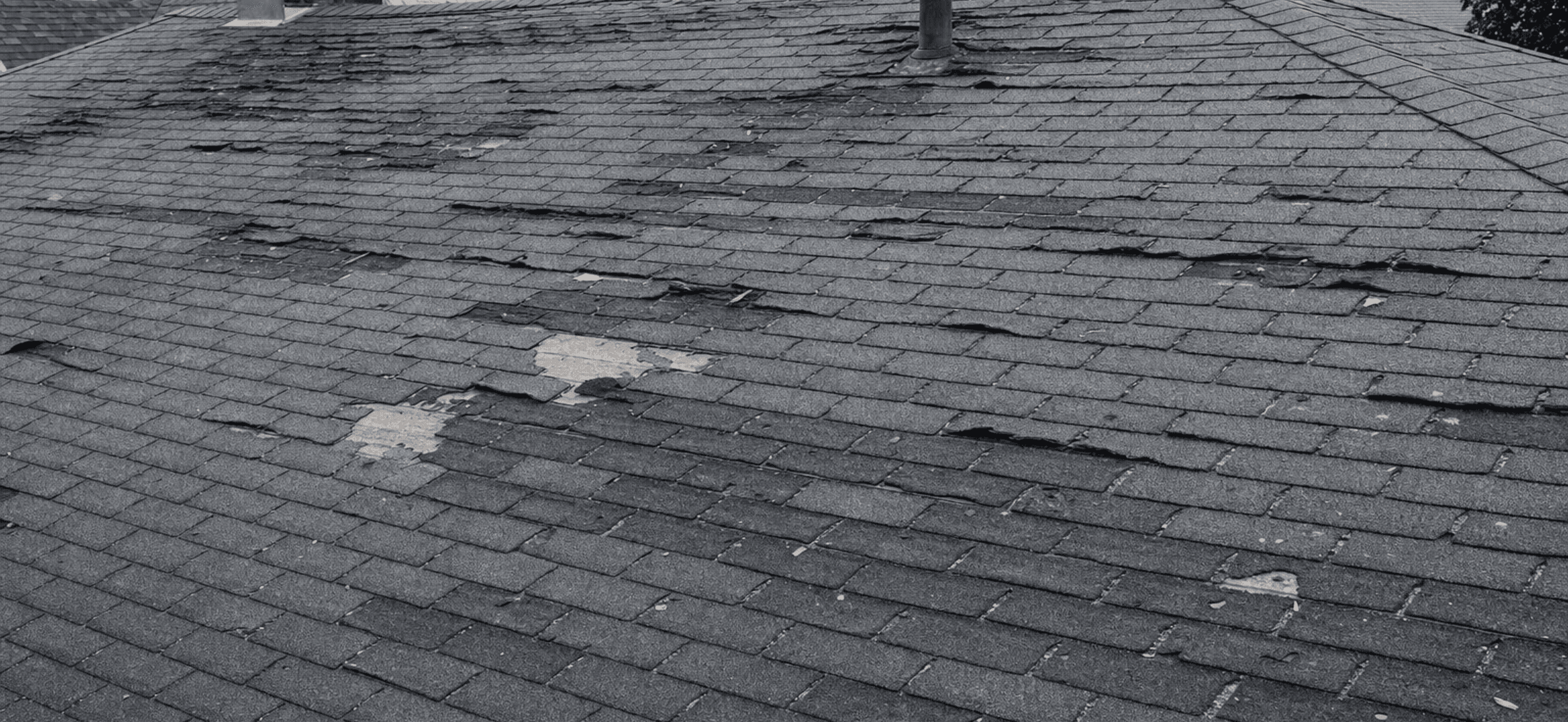
If you notice shingles that are cracked, curling, or missing entirely, your roof may be nearing the end of its lifespan. Wind damage and age are the most common causes of shingle deterioration in Northeast Wisconsin.
What it looks like. Edges that curl upward, tabs that lift in the middle, surface cracks, or dark gaps where a shingle used to be. Shingles that have dried out and cracked, or that have ragged or curled edges, are past their prime. Much of this damage is not visible from street level, so use binoculars and leave walking the roof to a professional.
Why it matters here. Curled shingles are vulnerable to wind uplift and water infiltration. Cracks expand and contract through freeze-thaw cycles and get worse each season. Once a shingle is compromised, water works into the underlayment and then the roof deck, often well before a stain shows up indoors.
How urgent. A missing shingle in fall leaves the deck and underlayment exposed going into winter, so do not leave it until spring. A few damaged shingles can often be repaired, but widespread damage usually means a full replacement is the better investment. A professional roof repair is the right fix when the damage is limited to one area.
2. Water Stains on Your Ceiling
Brown spots or water stains on your ceiling or walls are a clear sign of a roof leak. Even small leaks can lead to:
- Mold and mildew growth
- Structural damage to your attic and framing
- Damaged insulation that raises heating costs
What it looks like. Brown rings on the ceiling, peeling paint or bubbling drywall near the ceiling line, or stains near exterior walls and in the corners of rooms after a winter with ice dams. Stains close to a chimney, skylight, or dormer often point to flashing.
Why it matters here. The stain is rarely directly under the entry point. Water travels along rafters and runs down insulation before it shows, so the wood above has usually been wet for a while by the time you see it. See the common causes of roof leaks in Wisconsin for the usual sources.
How urgent. If you see water stains, have your roof inspected as soon as possible. If water is coming in during active rain, treat it as an emergency. A single leak does not always mean a new roof: a cracked pipe boot or one failed section of flashing is a targeted repair. A leak that comes back within a season or two after a repair suggests the source was never found.
3. Your Roof Is Over 20 Years Old
Most asphalt shingle roofs last 20 to 25 years in Wisconsin's climate. If your roof is approaching or past that age, it's wise to start planning for a replacement, even if it looks okay from the ground.
What it looks like. Often nothing obvious from the driveway. Age shows up first in the details: brittle shingles, more granules in the gutters each year, cracked rubber boots around vent pipes, and dried-out sealant at the flashing. After 15 to 20 years on a Wisconsin roof, flashing usually has some issues.
Why it matters here. Our climate is harder on roofing than milder ones. Freeze-thaw cycles, ice dams, heavy snow, and summer heat all wear on a roof, and poor attic ventilation can make them fail years ahead of schedule.
How urgent. Age by itself is a reason to plan ahead. Get an inspection, learn how much service life is left, and budget for a roof replacement before leaks force the timing. On a roof this old, repeated patching tends to cost more than it saves.
Metal roofs and premium shingles like Atlas StormMaster can last significantly longer, making them a smart upgrade for Green Bay homeowners.
4. Rising Energy Bills
A failing roof often leads to poor attic ventilation and insulation problems. If your heating bills have been climbing without an obvious explanation, your roof may be the cause.
What it looks like. Heating or cooling costs that rise year over year, upstairs rooms that run hot in summer, ice dams along the eaves in winter, or frost and damp insulation in the attic.
Why it matters here. In winter, a poorly ventilated attic traps warm, moist air. That moisture condenses on cold surfaces and wets the insulation, and wet or compressed insulation loses R-value. In summer, an attic without enough exhaust ventilation can reach 140 to 160 degrees Fahrenheit, and that heat radiates into the rooms below. The current insulation recommendation for Northeast Wisconsin (Climate Zone 6) is at least R-49, and many older Green Bay homes fall short of it.
How urgent. Rising bills are less pressing than an active leak, but check the attic, because the same conditions shorten shingle life. See our list of roof ventilation warning signs for what to check.
A new roof with proper ventilation can help regulate your home's temperature and reduce energy costs year-round.
5. Granules in Your Gutters
Check your gutters after a rainstorm. If you find a buildup of dark, sand-like granules, your shingles are wearing out. Granule loss exposes the asphalt layer to UV rays and weather, accelerating deterioration.
What it looks like. Small, gritty, uniformly shaped particles settled at the bottom of the gutter channel or at the base of a downspout. From the ground, look for bare, shiny, or darker patches on the shingles.
Why it matters here. Granules shield the asphalt from sunlight and help shed water. Once they are gone, the exposed asphalt turns brittle and cracks, and Wisconsin's summer sun and winter freeze-thaw cycling speed that up.
How urgent. It depends on the roof's age and the amount. A new roof sheds extra granules in its first few rainstorms, and a small amount on a roof 10 to 15 years old is normal aging. A cup or more per downspout section, found regularly, is not normal. On a roof 20 or more years old, regular granule loss almost always favors replacement over repair. Our guide on what granules in your gutters mean goes through each case.
Other Warning Signs Worth a Closer Look
Each of these four also calls for an inspection.
A sagging roofline. The ridge should look straight from end to end, and each slope should look flat. A sagging or wavy roofline should be inspected right away. It points to a problem with the decking or framing underneath. See what causes a roof to sag.
Daylight or staining in the attic. If you can see light through the roof deck, there are gaps in the system. Water stains, dark streaks, or mold on the sheathing or rafters mean a leak is active or has been in the past.
Failed flashing. Flashing is the metal that seals the joints around chimneys, skylights, vents, and walls. Rust streaks, metal bent away from a chimney, or cracked sealant are signs it is letting water in. Sound metal can often be resealed or replaced in sections.
Repeated ice dams. Water that backs up behind an ice dam can leak into the house and damage walls, ceilings and insulation. One managed season does not have to shorten a roof's life, but ice dams year after year can rot the deck. Our ice dam prevention guide covers the insulation and ventilation fixes.
Repair or Replace? A Quick Comparison
This table shows how roof age, damage, decking, and leak history usually point toward one choice or the other.
| Factor | Repair usually makes sense | Replacement usually makes sense |
|---|---|---|
| Roof age | Shingles have five or more years of life left | Roof is pushing 20 years or older |
| Extent of damage | A few damaged shingles or one isolated area | Widespread damage across the roof |
| Decking condition | Deck is sound, or one section needs replacing | Decking damage is widespread |
| Leak history | One leak traced to a single source, such as a pipe boot or one section of flashing | The same areas have been patched repeatedly |
What a Roof Replacement Inspection Checks
A proper inspection looks at the whole roofing system. Our post on what a professional roof inspection covers has the full list. In short, it includes:
- Shingles: granule loss, cupping, curling, cracking, and blistering
- Flashing: chimneys, dormer walls, skylights, valleys, and roof edges
- Gutters and drainage: attachment, pitch, damage, and where the downspouts send water
- Ridge, hips, and valleys: cracking, seal failure, and worn valley metal
- Soffits and fascia: soft or rotted boards that indicate long-term moisture
- Attic: ventilation, insulation, signs of moisture, and the condition of the rafters and decking
You should come away with photos of any problem areas, a written assessment, and a clear explanation of what needs attention now, what can be monitored, and what is in good shape.
What to Do Next
If you've noticed any of these warning signs, the best step is to schedule a free roof inspection with a trusted local contractor. At Pierce Roofing, we've been serving Green Bay and Northeast Wisconsin for over 29 years. We'll give you an honest assessment and help you understand your options.
Call us at (920) 609-8304 or request a free estimate online.